How to Avoid Pet Turf Mistakes
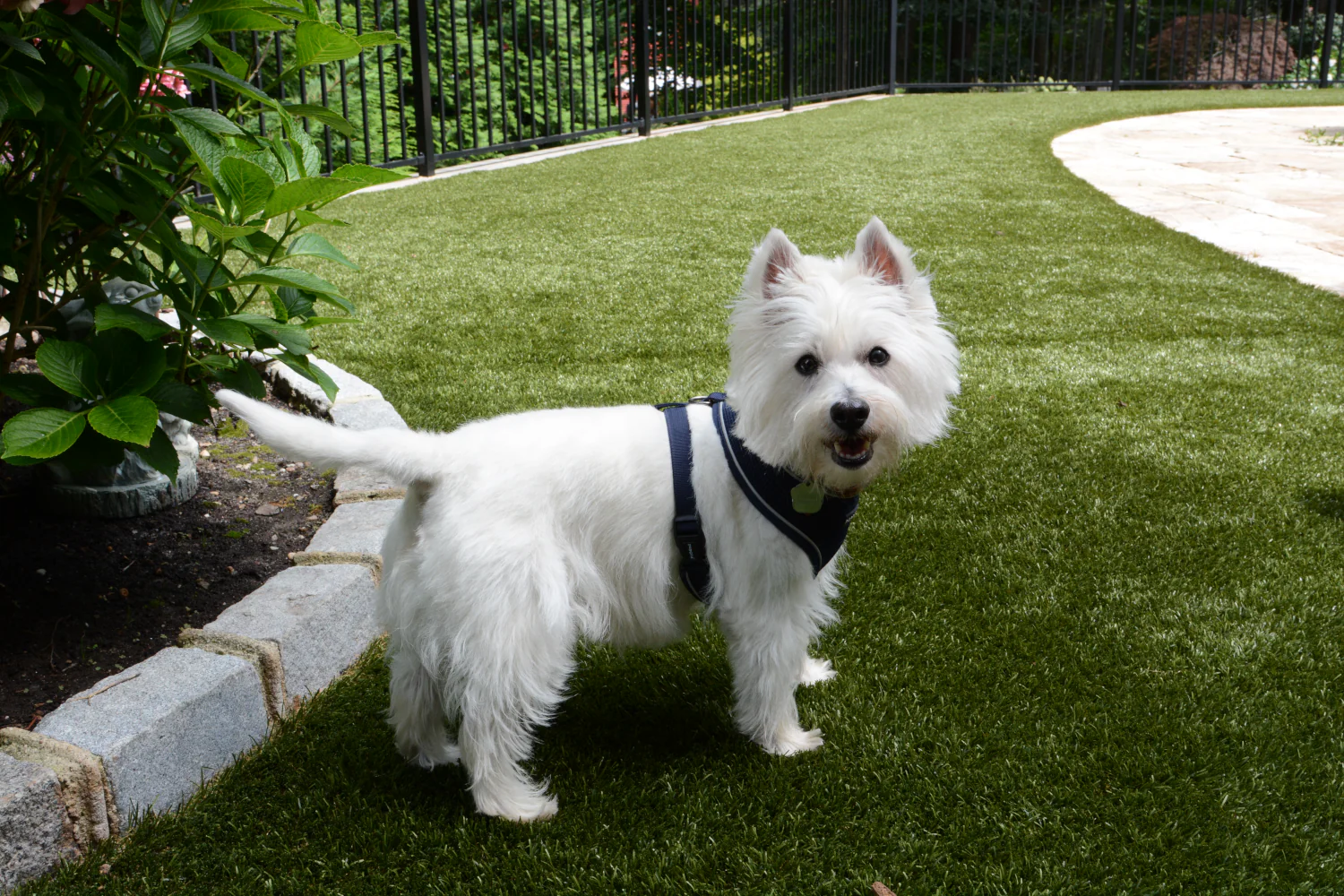
You chose artificial grass for the low upkeep and neat appearance — a good choice. But pets make things different. Here’s a quick guide to the most common problems that happen to fake grass for dogs and exactly what to do about each of them, step by step.
1. LETTING SOLID WASTE SIT
What happens: A forgotten pile hardens, spreads, or soaks into the infill.
Why it matters: Old waste can harbor germs and cause lasting marks.
Fast fix: Pick up and dispose as soon as you can. If traces are left, use a soft brush and a spray with water to lift it out.
Habit to build: Keep a small scoop and lidded trash can near the yard for quick cleanups.
2. CONCENTRATED URINE SPOTS
What happens: Dogs pick the same areas and urine pools there.
Why it matters: Bad smells and discolored infill may follow.
Fast fix: Flush with clean water from time-to-time to prevent buildup, especially if rain is lacking. For stubborn smells, a pet enzyme cleaner made for artificial turf might be necessary when using regular sand infill. Using odor-resistant SWG/Shaw K9 sane removes all pet-related smells.
Preventive move: Shift treat spots or set toys to spread traffic around.
3. DIGGING, CHEWING, AND NAIL DAMAGE
What happens: Dogs dig holes, chew edges, or their nails get snagged on seams.
Why it matters: Holes, loose edges, and frayed turf wear it out early and create tripping spots.
Fix: Maintain paw care and re-secure any lifted edges with landscaping stakes or approved bonding adhesive.
Prevention: Give dogs a dedicated digging spot and provide chew toys.
4. WATER DRAINAGE ISSUES
What happens: Water gathers after storms or heavy use.
Why it matters: Pooled water can encourage mold, fungus, and mildew and feel unpleasant for pets.
Fast fix: Remove debris from water drains. Gently raise corners near drains to check for blockages.
When to call a pro: If the same spot keeps flooding, the ground may require adjustment.
5. FLATTENED TURF FIBERS
What happens: High-traffic play zones start to look over-used and flattened.
Why it matters: Impacted infill locks in dirt and reduces softness.
Fast fix: Brush against the grain with a soft-bristle broom.
Routine: Brush busy play spots once a month to keep blades upright.
6. USING THE WRONG CLEANING PRODUCTS
What happens: Strong chemicals break down the backing and fibers.
Why it matters: Loss of color, weakened seams, and early wear.
Fast fix: Hose down spots thoroughly and use pet-safe gentler turf cleaners. A diluted vinegar solution works for many scent troubles.
Note: Avoid strong chemicals and wire bristles.
QUICK CARE CHECKLIST
- Remove droppings within a few hours
- Wash pee areas at least once a week
- Brush high-traffic zones monthly
- Place snacks on a mat
- Use enzyme cleaners labeled safe for synthetic turf
- Investigate drainage after heavy storms
NEED A DEEP PROFESSIONAL CLEANING
Simple routines keep your artificial turf for dogs clean, smelling fresh, and looking like new. If you want a hand — from a deep clean to examining drainage or replacing infill — Southwest Greens can do the hard work so your yard remains pet-friendly and guest-ready. Contact us, and we’ll create a care plan for your yard.